Welcome to my portfolio
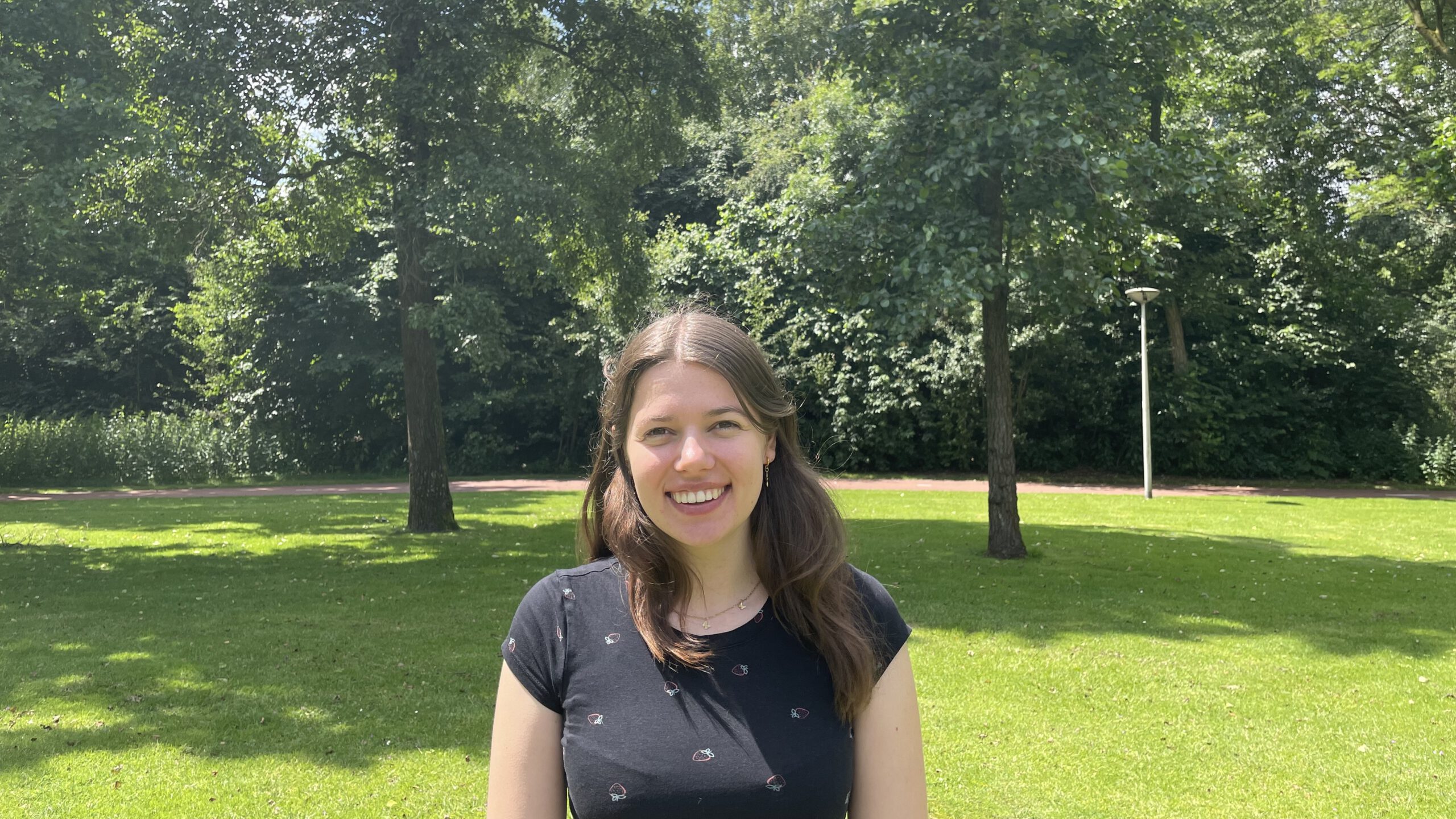
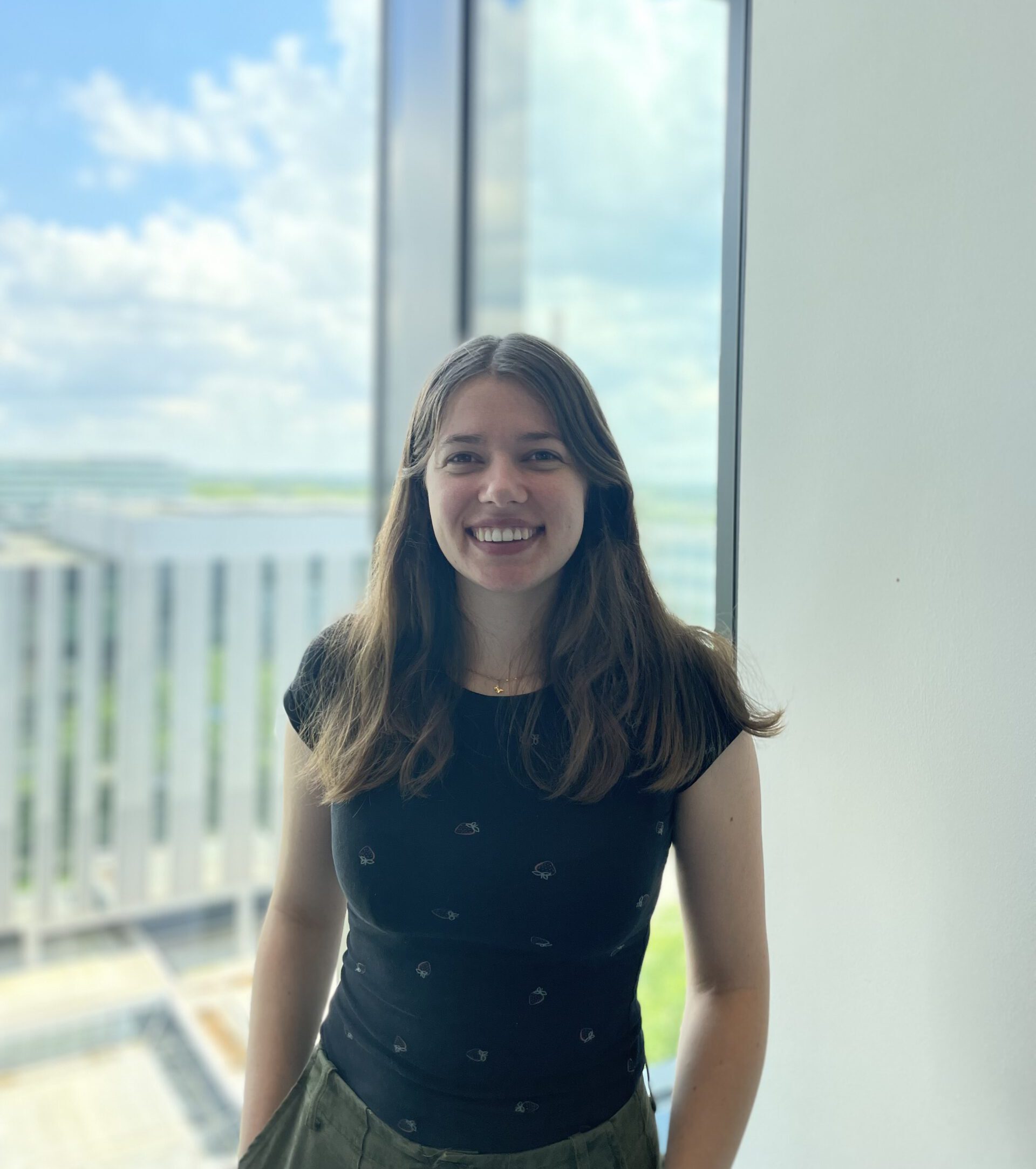
I am Aïcha Orsel, a Final Bachelor Industrial Design student at the Eindhoven University of Technology. On this site, you can discover what drives me as a designer, learn about my skills and expertise, and explore the various projects I have completed so far.
My professional identity and vision
“I believe design should mean creating long-term solutions for social and environmental problems, without depriving others in the process.”
Identity
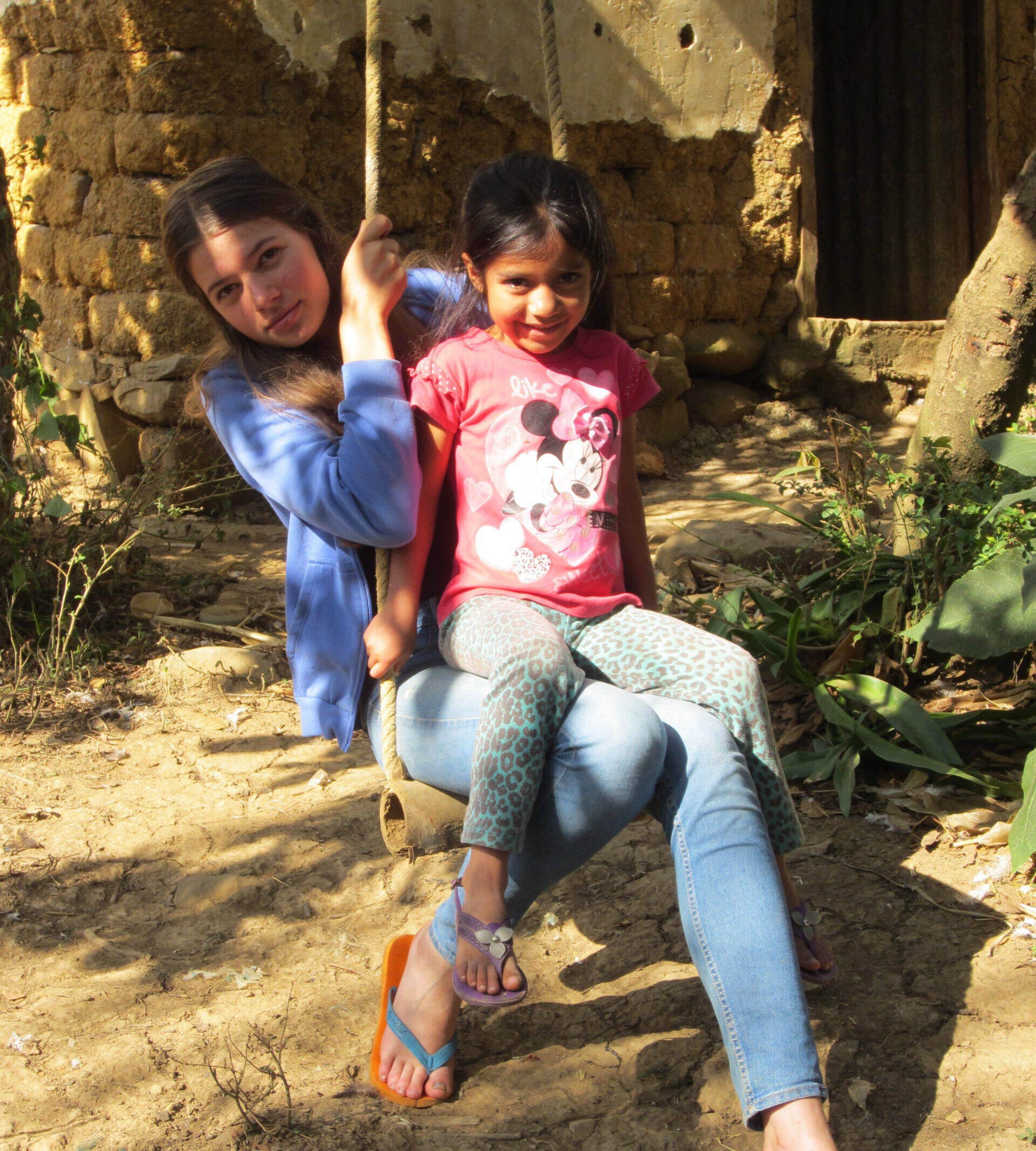
As an industrial designer, my curiosity and creative mindset have been evident from a young age. I was always occupied with crafting and inventing. During my studies, I developed an interest in tackling wicked social problems. I investigate these issues by engaging with stakeholders to understand their specific situations, therefore ensuring that the solutions fit the problem. My ability to interpret implicit communication and respond effectively during conversations with stakeholders helps me rapidly grasp the core of the issues. This skill enables me to maximize the productivity of discussions with experts and users by exploring, asking follow-up questions, and proposing ideas in a single session. It is important to me to develop feasible and practical solutions that can be applied in society, thereby having a real-world impact. With my experience living in Bolivia, Peru, and the Netherlands, I aspire to collaborate with local communities in the global South to address social problems and implement practical and accessible solutions.
Vision
As an aspiring designer, my passion lies in helping people. A project I admire is the pad project in India, which involves making simple machines to produce affordable sanitary pads. This initiative made sanitary pads accessible to many women, enabling them to attend school and work again. It also provided employment opportunities for women involved in producing the pads, thereby empowering them. The project also reduced the taboo around menstruation. I believe all future designs should emulate this model. It empowered people and provided a long-term solution. Additionally, it had a low ecological footprint by using simple local resources. It significantly improved the lives of many women without requiring large investments. I believe design should shift from creating products merely because we have the technology and money for it, to developing long-term solutions for real problems, without disadvantaging others in the process.